Using nano banana pro to memorize Kanji

So, I’ve been using nano banana pro to do a lot of fun projects recently -

And I just realized I can use it as a way to supplement wanikani memorization, by bringing the wacky mnemonics to life, using its incredible ability to materialize any description into a clear and quality image (including texts).

For example, the mnemonic for 開 is:

Imagine being a traveler, walking around the outside of a huge walled city. You really need to get inside but all of the gates are closed. Finally, you see a single, bright lantern marking the open gate! What a relief.

and the mneomnic for the reading is:

This open gate is in the water though, so you’ll need a kayak (かい) to get in. Luckily, you’ve been carrying your kayak with you just in case.

I honestly don’t know if it would prove to be useful in the long-term but for now I’m enjoying making these cute visualizations as I go through the various Kanji

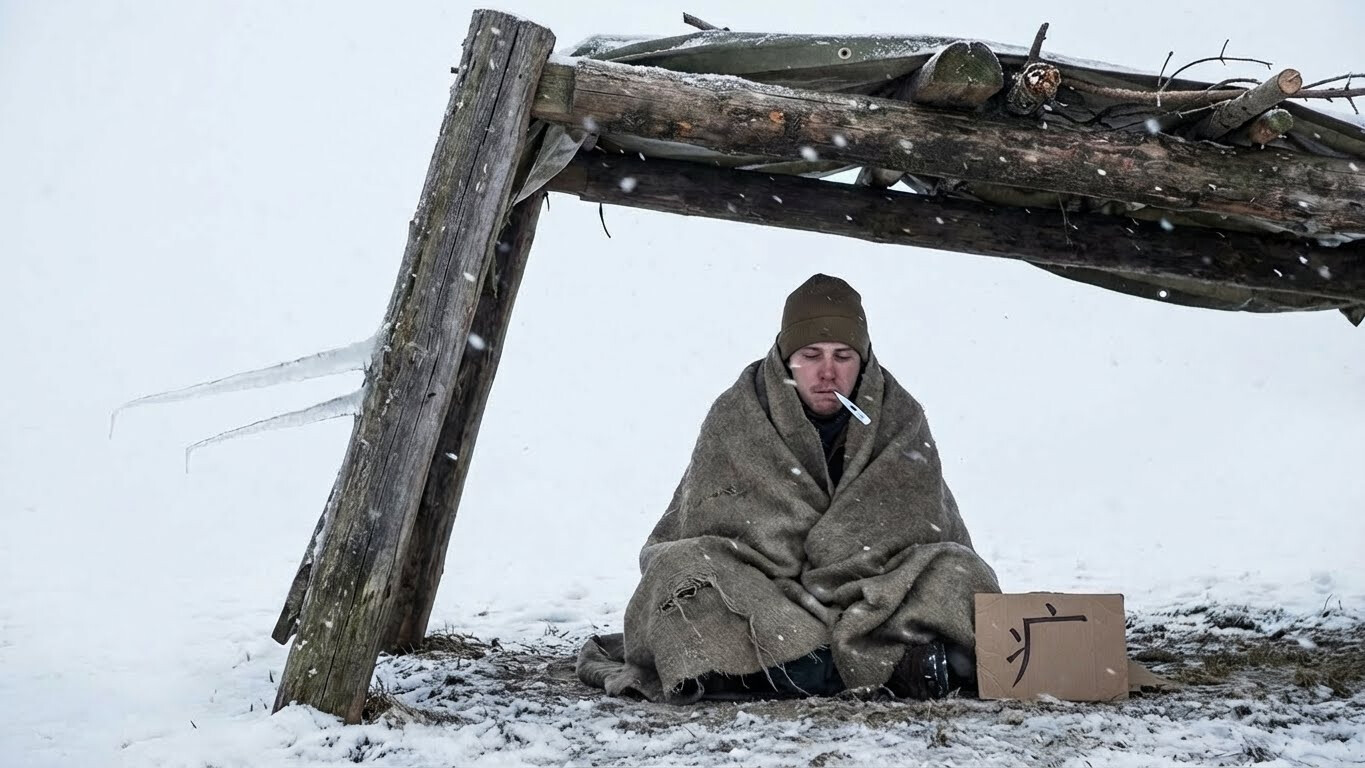
and this for example is for “sick” radical: 疒 (whose mnemonic is canopy + ice):

is anyone doing anything similar?

7 Likes

A few people have been doing similar things in these forums, for instance:

3 Likes

I’ve been saying on the forums recently that we should have something like this by default. For those of us who are imagination challenged; not me though I live a rich inner life.

Apparently not everyone can craft such detailed worlds in their heads so this would definitely help those people.

3 Likes

what I like most about it - is that I think it allows one to “tune” or improve on the existing mnemonic, to emphasize whatever it is you think makes sense and would help you actually remember it.

I have to say I already feel the benefit of this method, and every item for which I’ve done this treatment, I saw the memorization improve significantly. I actually recall the entire image in my mind.

Having a rich imagination is I think not enough: I have no problem imagining all the mnemonics (or even make new ones, when I need to ) - the problem is this imagined scenario is innately less stable than an actual visual stimuli that one consumes. If one were to attach also sound/smell/touch to it I’m sure it would even improve memorization further.

Many of the earlier mnemonics I studied on wanikani, that served me well through apprentice and guru phases, suddenly fizzle out by the time I reach master (or beyond).
This is because they rely on a brief of conjuring a virtual scene in my mind’s eye.

But these AI images - i didn’t just SEE them, I took an active part in creating them and phrasing the prompt that led to their formation, I ran through multiple iterations for them, considered alterations, etc. I actually “worked” on each of them.

Anything you do active work for, you’re almost guaranteed to have better recollection for than something you only consumed passively.

This is another reason I think it would be better for people to always make their own versions rather than if this website had readymade AI images

1 Like

I like the images used for radicals. So I think similar art style images for kanji would help quite a bit. Plus you avoid using AI. It’s just 2000 images that need to be discussed and crafted.

1 Like

I write my first post just to say: this is brilliant!!
Could you share an example of a full prompt you used? I’m curious to see how you describe the mnemonics to get such consistent results.
I tried replicating this with other kanji but I guess I’m pretty bad at explaining to Nanobanana what I want…

2 Likes

Sure.

To save time, what i do is dump both wanikani mnemonics on Gemini 3 pro and tell it to give me a nano banana pro prompt that emphasizes the elements + has the kanji somewhere in the photo + has the kana for the reading somewhere (though I sometimes skip that and just put it later myself on the photo in powerpoint).

This sometimes yields perfect results (that i might have not thought of myself), and sometimes very lackluster results. For example, i had 10 or 20 iterations before i got the “sick” radical closer to how i wanted it.

The more elusive the composition, the more difficult it is.

Here are some recent examples.

解 (solve)

A cinematic photograph taken at twilight on a calm lake. A person in a wooden kayak is balancing precariously alongside a cow. The cow is trapped not by ropes, but by a complex, ancient-looking mechanical puzzle lock made of interlocking bronze gears, dials, and glowing blue runes that encircle its body. The person is holding a sword with intense focus, holding it at a very specific, acute angle to insert the tip into a hidden slot on the mechanism. A beam of light is bursting from the lock where the sword connects, indicating the precise angle has solved the riddle and the mechanism is unlocking. The black kanji character 解 is painted clearly on the hull of the kayak.

求 (request)

inside a high-end, luxury restaurant with polished marble floors. A wealthy, snobbish customer in a tuxedo is standing and pointing arrogantly at a spilled glass of water on the floor and stares at the waiter, demanding that he cleans it. A waiter looks humiliated, kneeling on the ground and attempting to clean the water spill using a fresh green cucumber instead of a towel. The cucumber has a produce sticker on it that clearly displays the black kanji character 求.

Regarding the prompt for gemini itself - it pretty much “got the task” almost immediately just by me asking it to help me visualizing the mnemonic by providing me with the prompt. Then I had to nudge it in certain ways e.g. “put more emphasis on the roof” or “this is not good, give me 3 alternatives in completely different settings”.

here’s an example of such a prompt to gemini:

ok, let’s make slight modifications to emphasize the mnemonic.

for (1) - we want to emphasize the MOUTHs. so think of ways to put emphasis on the mouth. we don’t necessarily need many guests. it’s enough that we have one (or a few) guests for whom we can emphasize their mouth in some way. maybe offer several alternatives (a,b,c…) from the most realistic to the most outlandish.

for (2) - the overall setup is good, but we want to emphasize the GUEST meaning, rather than just a “traveler”. offer several alternatives here too. one option is to have it as sort of a hotel (and then we must remember to emphasize ROOF). the other is to lean into the “customer” meaning somehow (again, roof should play a major part of the scene).

once i have a good enough prompt, i just do the iterations/modifications directly in nano-banana, e.g. changing angles, genders, adding or removing elements, etc.

well, it could work, the problem is that an image that works for one person might not work for another.

For example, I made these two versions for 客 (guest/customer) :

in one of them i chose a “kiss” instead of winter+mouth because winter+mouth is actually the radical for kiss in wanikani (not sure why they didn’t use it in this case)

So i just made two versions. Which one will help me remember it more? i’m not sure - but this way, if i identify the kanji as: “kiss under roof” i’ll probably remember the first one, and if i (for whatever reason) identify it as “roof over winter over mouth” then i’ll probably recall the second one.

And a person who isn’t me - might not find EITHER of these useful and maybe they’re struggling with the reading instead of the meaning so they’ll want an image that emphasizes きゃく somehow…

3 Likes

Sharing some more of the stuff I made, just in case it helps anyone:

DISTRIBUTE (alcohol+oneself) [high]

FAST (bundle+scooter) [sock]

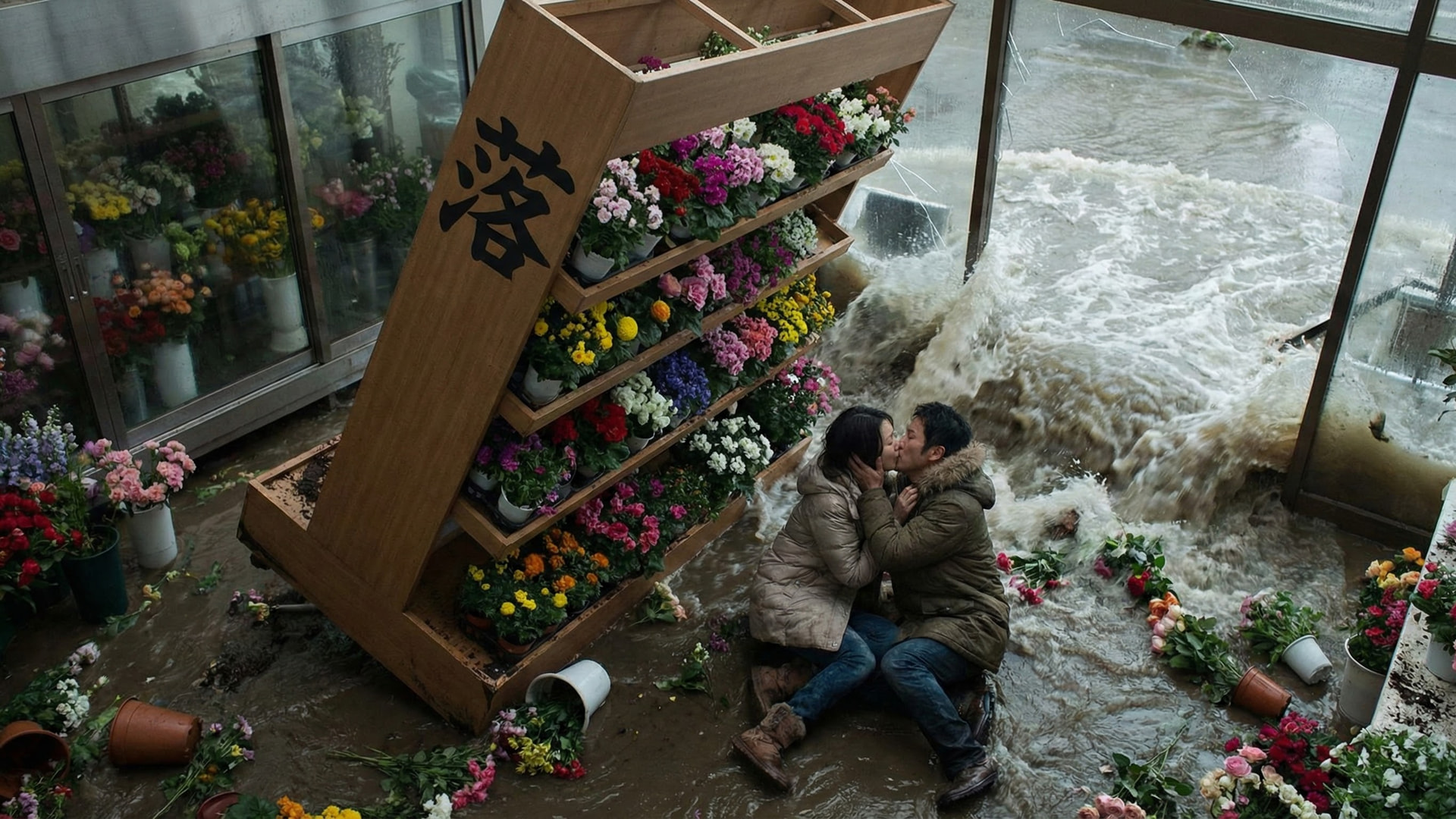
FALL (flowers + tsunami+ kiss) [rack]

LIGHTWEIGHT (car + tombstone)

COLLECT (turkey + tree) [SHOE]

IRON (gold + fault) [tea? two]

CHINESE (chinese + tsunami) [khan]

FARMING (landslide + music) [oh no]

READ (sell + say) [yoyo]

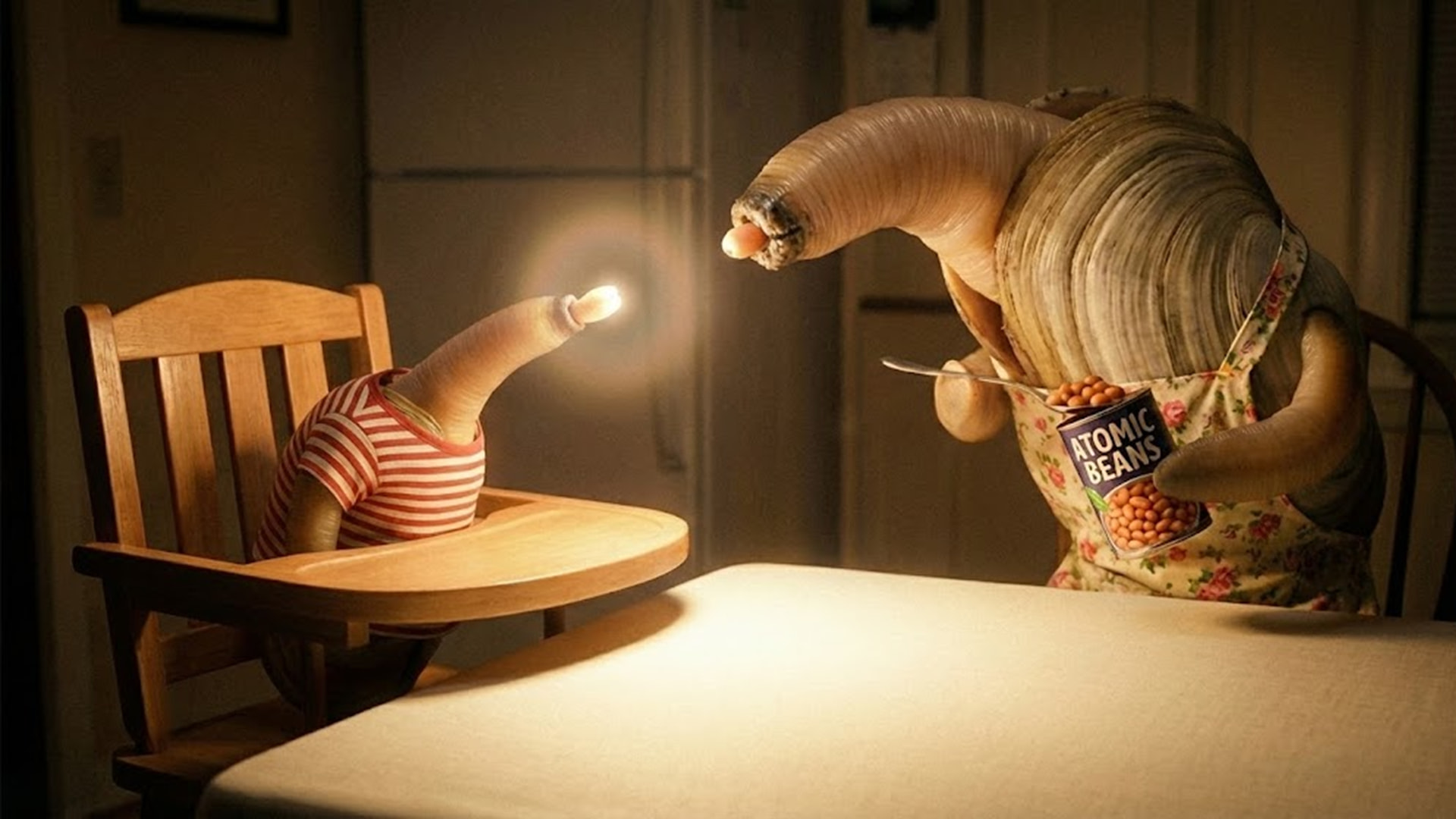
HEAD (geoduck + beans)

FACE (geoduck + hair + cliff) [cow]

SICK (sick + dynamite) [B.O]

苦い vs 苦しい

LEAVE (past) [saw]

PAGE (geoduck)

LINE (thread + white + water) [centaur]

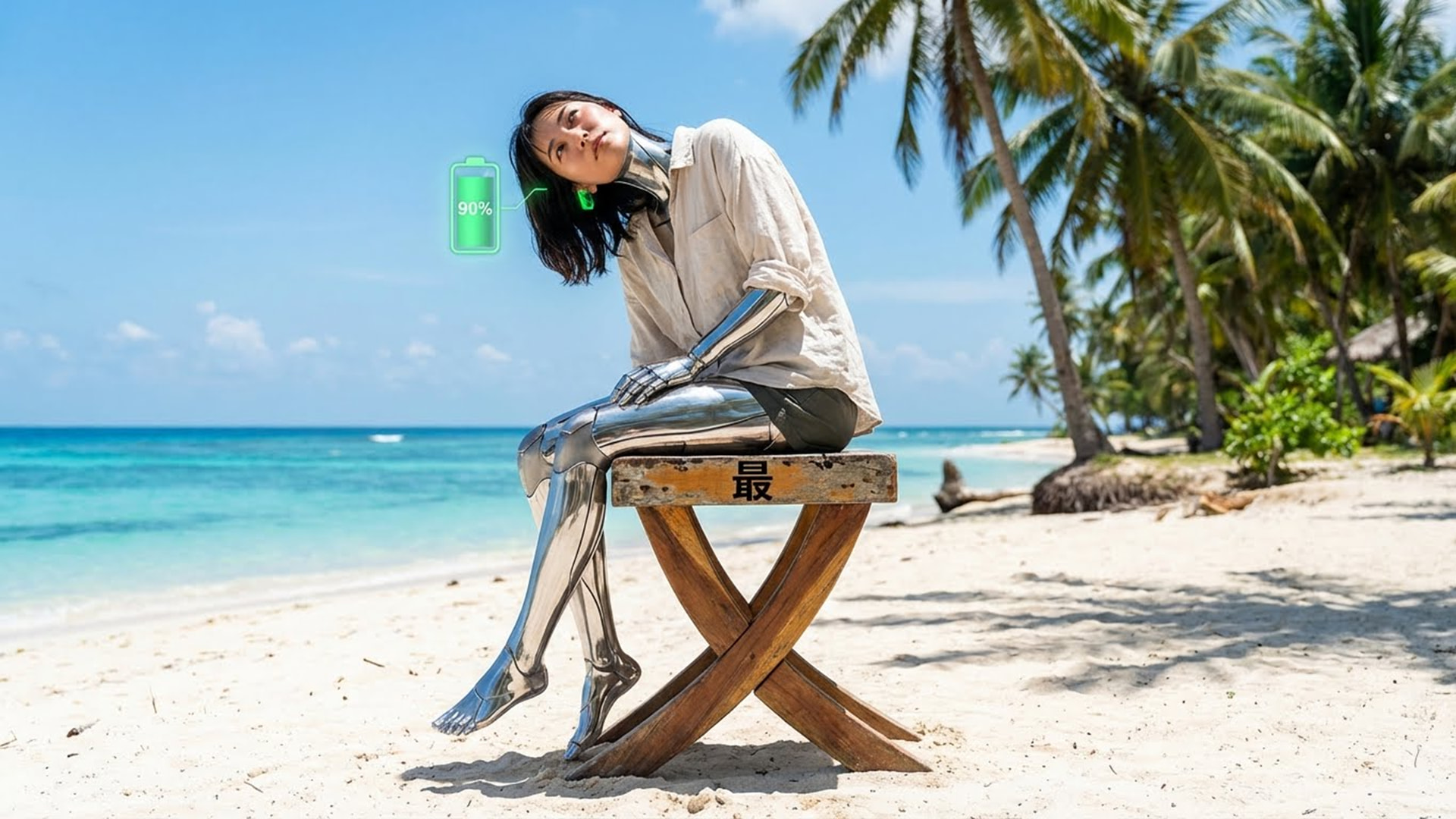
MOST (ear + stool + sun) [CYborg]

PARENT/INTIMATE (see + stand + tree) [shin]

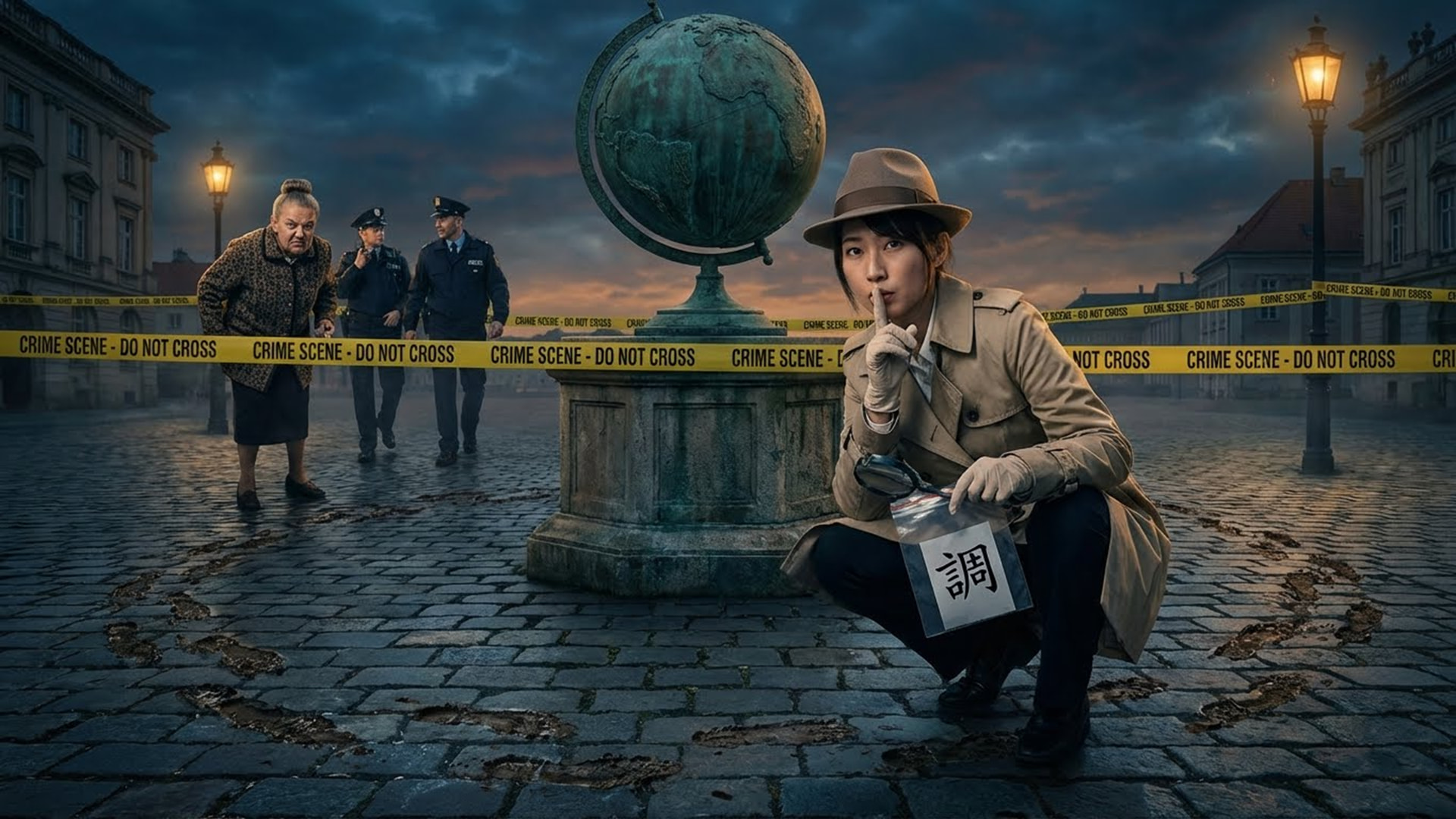
INVESTIGATE (circumference + say) [ms. chou]

SIDE (yellow + tree) [yoko ono]

CARRY (forehead + scooter + car) [UNbrella]

2 Likes

These are all really good. They will be very usefull indeed.

I have created a few, but adding the word/radical in the meme manually thus very tedious.

1 Like

for anything tedious i just use gemini :slight_smile:
I’m thinking maybe i could publish a public “generator” for these – using WaniKani’s API - but not sure if the mnemonic itself is exposed via API (i suspect it’s not… plus I don’t want to violate any copyrights or whatever)

1 Like

Yeah, for some of these I can’t quite get the meaning until the mnemonic comes forward then its like okay. They’d have to be paired with it otherwise they make no sense. Also why is that sandwich so steamy?

This is one of the best result I had from Nano Banana (not-pro).

1 Like

of course, that’s the entire point. the direction is supposed to be - the radicals of the kanji reminds you of this scene — not, “this scene reminds you of this kanji”.

of course they make no sense on their own. they make little sense even with the mnemonic - but that’s again the entire point - they need to be memorable.

and i have no idea why it chose to do a steamy sandwich but i didn’t even notice :smiley: