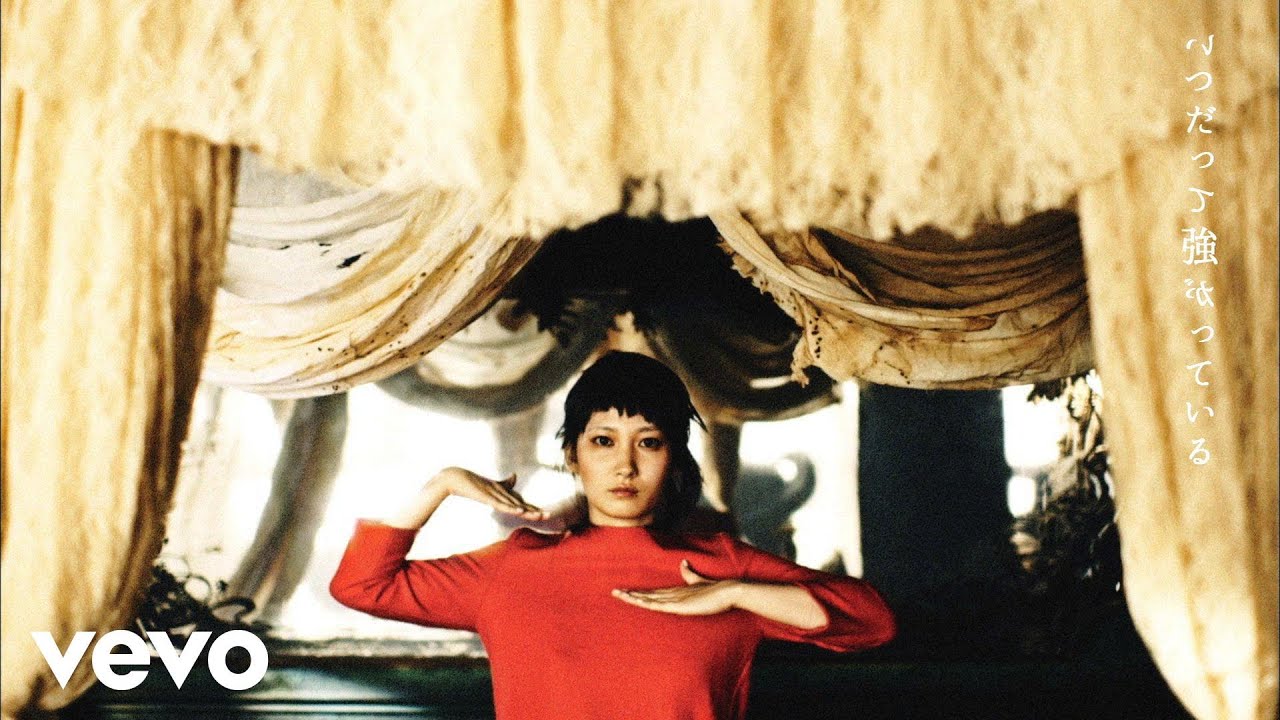
Chapter seventy-six’s title image is from “Neon wo Keshite” by chilldspot.

Chapter seventy-five’s is from “Kaiju no Ude no Naka” by Kinoko Teikoku.
Ah boy, this chapter is wordy. Multiple panels entirely comprised of text…
Page 61 second panel, the TV show is 情熱大陸, which we previously saw referenced back in chapter 41, while the two artists depicted are Yonezu Kenshi and Tsuneta Daiki (guitarist of King Gnu). The 江之島のパリピ are the same trio who showed up back in chapter 14.
Page 62 third panel, the Monde Selection is a consumer product quality certification thingy.
Page 63 final panel, ステマ is straight-up illegal in Japan, as of 1 October 2023, following a whole bunch of controversies; people promoting things are required to declare a partnership or paid promotion up-front.
Page 64 third panel, 文秋 is a reference to 週刊文春, a newspaper with such a reputation for exposing scandals in the political and entertainment worlds that its headlines are colloqually known as 文春砲. Bocchi’s request for hair clippers in the following panel is possibly a reference to AKB48 member Minegishi Minami, who famously shaved her head January 2013 in apology for getting caught with (gasp) a boy, in violation of AKB48’s no-dating rules - said scandal was also originally revealed by 週刊文春.
Oh boy, whole sentences backwards…
Page 72 second panel, Kita’s Yamada Ryo study books are a reference to the サルでもわかる series. I want to know who’s been printing these ones, though. Third panel, her visions of writing a book is a reference to the 2013 book (and the 2015 film based on the book) named 学年ビリのギャルが1年で偏差値を40上げて慶應大学に現役合格した話 (and with a title like that, are you sure it’s not a light novel?). Anyway, said title is abbreviated to ビリギャル, and here Kita is replacing the ギャル with the バン from バンド. (Said film was released in the West with the name Flying Colors.)
Page 75 fifth panel, the two girls asking for 3両 and 5銭 - both are obsolete Japanese currencies. The ryo was a pre-Meiji coin abolished in 1871, and was (at the time) exchanged one-to-one with the yen, though at the start of the Edo period, it had a value of about 100,000 yen. The sen was a subdivision of the yen when it was first introduced - 100 sen = 1 yen (so 5 sen is 1/20 yen) - but the currency was so devalued during and after WWII that the sen was abolished in 1953. A five sen coin might have some value, though, depending on the year of minting, with coins going for anything from a couple of hundred yen to eighty thousand (though a coin dated 1880, of which only 79 were ever minted, and possibly 10 or 12 are believe to still survive, sold for $22,000 USD in 2011).


