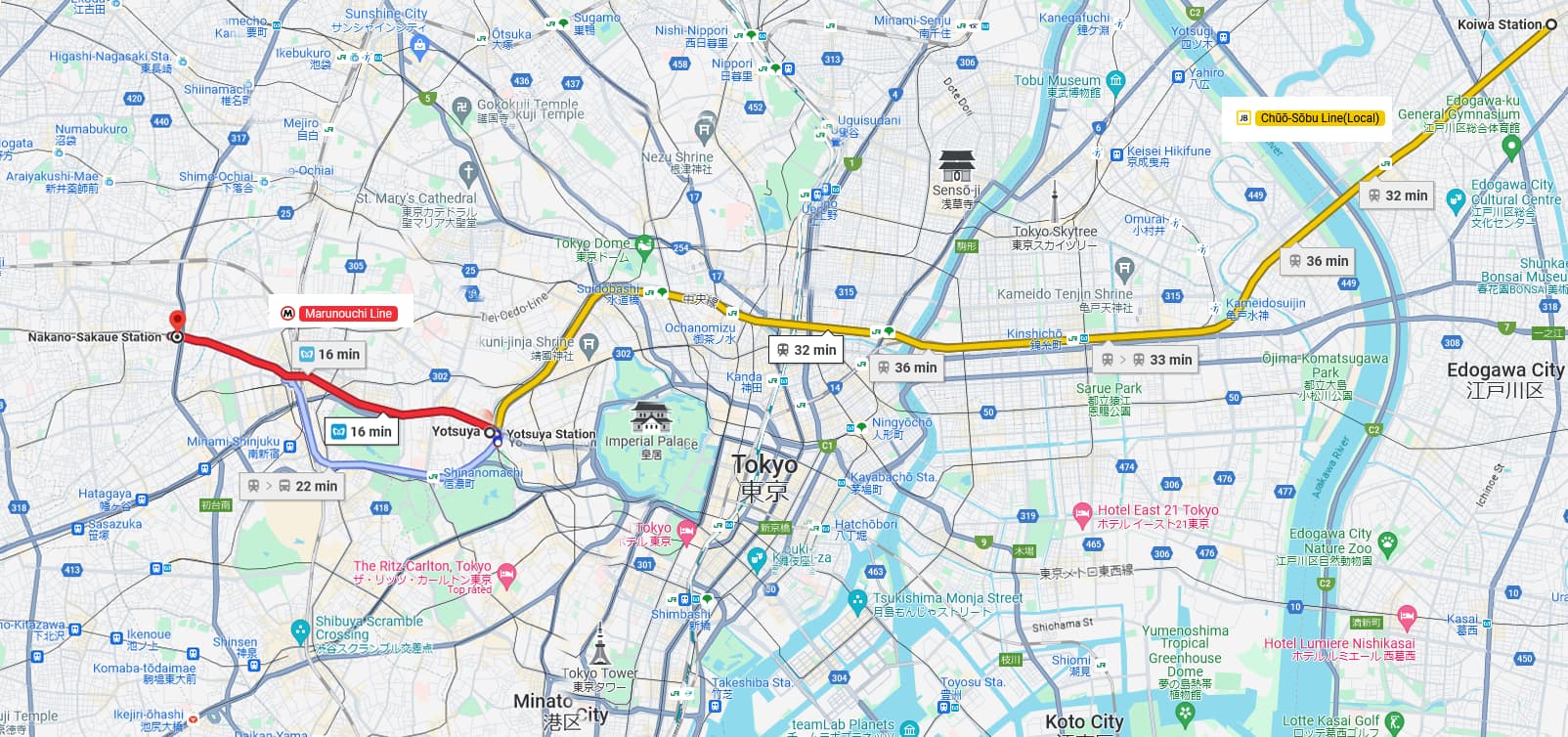
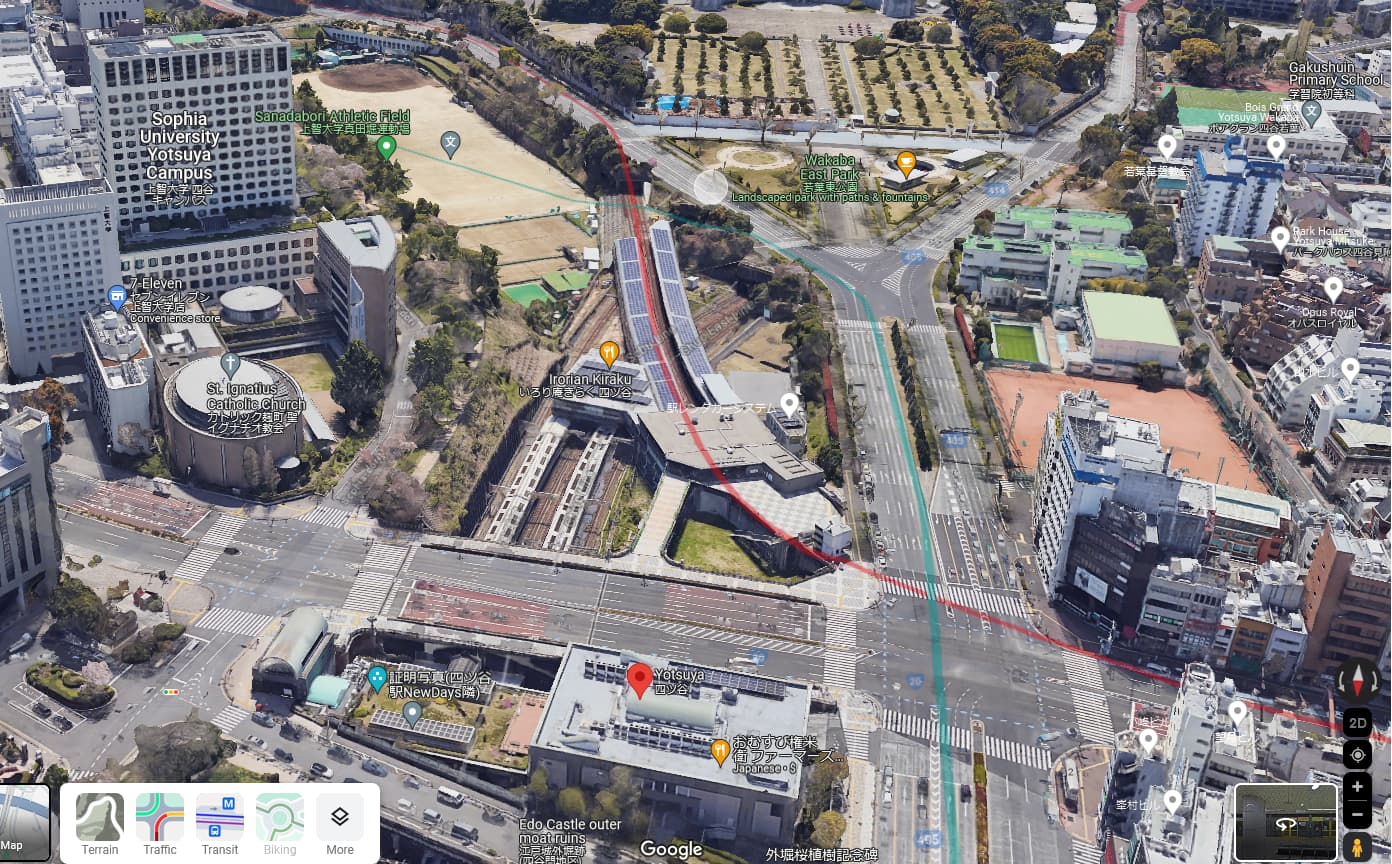
丸ノ内線 - 荻窪行き
The plan for the next train was basically the same, but this time around the attacker felt remorse and almost cancelled the attack. But it was thought out so well  Everybody attacked at the same time, and so the attacker felt he could not simply pull out.
This time both bags were pierced, and a lot of the liquid flew onto the train floor. The attacker also experienced some poisoning symptoms. But again, only one person died. I don’t really get a good sense of how dangerous it really is…
有馬光男
I don’t blame the station and train staff that they didn’t know what was going on, but it is really sad to learn that they just mopped out the train without knowing about the dangers of this substance, and that the train continued to run as-is, probably affecting a large number of passengers even after the immediate assault was over…
大橋賢二 (1)
What really aggravates me is the depicted cluelessness of the medical system in general. No matter what hospital the affected people turn to, they are either disregarded or just treated in the most general fashion possible (mainly they are just administered an IV drip, and after a few hours they are released again). No specific treatment, no antidotes for the toxic substance, nothing, it seems. This just deeply saddens me…
I mean, of course, back in the day PTSD treatment was not widely known, not even in the West, but even when the hospitals knew it was Sarin that the patients had been exposed to, they did not seem to know how to appropriately deal with them. Even leaving them in their own clothes, although the nearby hospital workers developed signs of poisoning themselves
Luckily this man was able to get help through our doctor at St. Lucas hospital that we learned about in the previous section already.
大橋賢二 (2)
He sounded so sad and so desperate on so many levels… It sounds like a cliché, but for Japanese employees their work is really the defining factor for their lives, and I can totally relate to his despair of having his work taken from him, especially after 20 years in which he accumulated the skills to do it well. Other than in e.g. Germany, in Japanese companies there is no standardized education for a given role in a company, instead the company hires everybody from skill level 0 (no matter whether they attended university or not) and educates them according to the needs of the company. Of course different companies have different needs, and so the people learn different things… also people often don’t remain in their positions but rotate through the company, learning different skills for different roles, always specially tailored to the company. That’s why Japanese often stay in the same company throughout their whole working career, and if the company is a bad one, well tough luck, I hope you can persevere… It’s only recently that young people start valueing other things than just work, and that they start quitting their jobs if there are issues they are not willing to put up with.
But back to our hero, we’re talking about a time that is almost 30 years ago, right after the bubble, which he probably refers to as “tough economic situation”. In that time, people were tightly coupled to the company, and when the company removes his job duties from him (with the best of intent, as it seems) it leaves a big void behind that is very hard to fill for the person.
On top of that, he is still in constant pain, a condition that sounds really unbearable, and so we can only thank him that he has not killed himself so far…


 (for example