Please stop changing the kanji readings to the kun’yomi. It’s seriously ruining WK. I’ve got a friend who’s just starting out and I regret that he’ll have to learn this new way you are changing everything to.
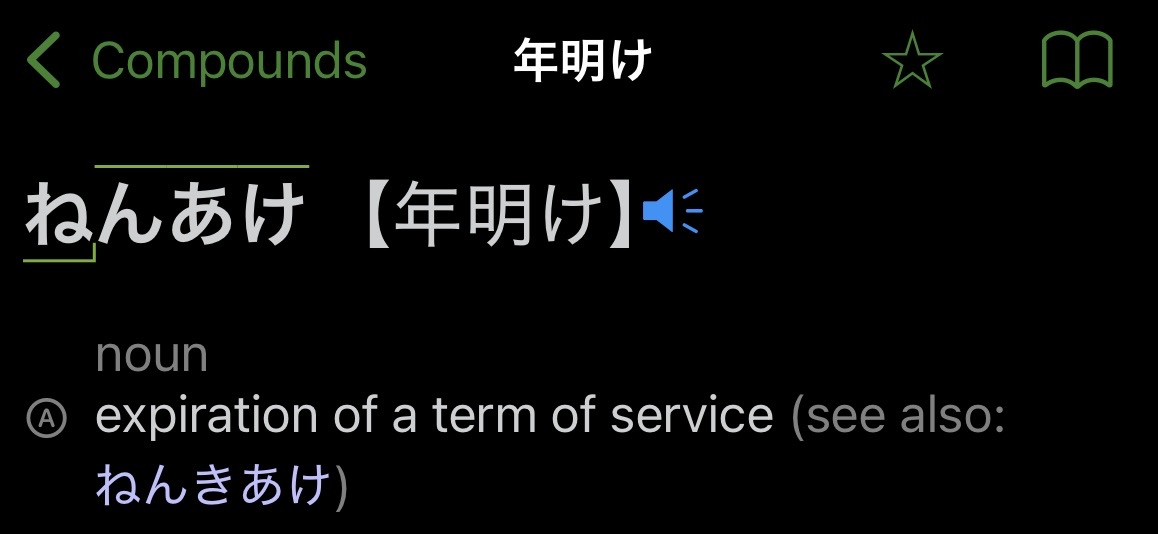
Why? Just why? WK alone has 18 vocabulary words that use the めい reading of this kanji. 明 is an incredibly common jukugo kanji. You may not see it this way, but you’re handicapping your learners’ Japanese reading ability by not having their minds immediately associate 明 with めい. Yeah sure, the word あかるい is a really common word, but that’s no excuse to teach 明 as あ. That’s not even a reading of the kanji, it’s just a weird vestigial cut off of the vocabulary that means nothing. My kanji dictionary doesn’t even list あ as a reading of 明.
These recent changes are taking the wrong approach to teaching reading kanji to non-Japanese speaking learners. These changes are focused on teaching vocabulary first to learners, but that’s not how kanji should be learned. WK users learning kanji are different than native Japanese students learning kanji because they don’t already have any foundational knowledge of vocabulary like Japanese kids would. For a Japanese child learning kanji, it makes sense to connect a vocabulary word they already know to a kanji first because that helps them connect the dots with the word and the kanji in their mind, and when they learn the on’yomi reading it’s again easier for them because they already know the jukugo words as well. A non-Japanese learner has extra steps in their learning process because they have to learn the on’yomi, kun’yomi, AND vocabulary using the kanji from scratch without any previous knowledge of the language. On one hand that is a tougher challenge, but at the same time it can be an advantage in a way as well. You can learn the kanji in a more formulaic fashion without the “baggage”.
So these changes are approaching this problem with an empasis on learning vocabulary, but WK isn’t primarily a vocabulary based learning app – it’s a kanji learning app. Of course that doesn’t mean you won’t learn vocabulary from WK, you definitely will, but when learning to actually read Japanese it’s far more effective to mainly associate a singular kanji with the on’yomi reading first, akin to a “pronunciaton”, and the kun’yomi as an exception with the vocabulary. Because even if a kun’yomi vocabulary word is commonly used, conflating a kanji with the vocabulary reading restricts our full understanding of that kanji.
That being said, there are cases of kanji whose on’yomi reading is so incredibly rarely used that even most Japanese people couldn’t tell you what it is. In these instances, sure go ahead and just teach us the kun’yomi reading. However these recent cases go far beyond that level, such as not teaching めい as the reading of 明.
Another problem these changes cause with the WK system is redundancy. The recent changes to the cardinal direction kanji are the perfect example. Why are we learning the kanji reading for 北 as きた? きた is the vocabulary word for north, not the reading of the kanji. Plenty of jukugo words use ほく, so that should be learned as the “pronunciation” of the kanji. Again, yeah maybe the vocabulary word “north” is much more commonly used in conversation, but learning that as the “reading” of the kanji is just incorrect. And to tie it back to redundancy, きた is taught to us anyways in the vocabulary 北, so why remove the also reasonably common ほく reading and double teach us きた?
These changes might be better for learning more Japanese vocabulary earlier on in the process, but for serious users with the long term goal of properly learning to read Japanese, they are counterproductive. The regularity of knowing you’re learning the “pronunciation”/on’yomi of the kanji first and vocabulary/kun’yomi second is a good system, so mixing it up willy-nilly harms long term reading ability. Learning to read Japanese takes time, and these WK kanji reading changes are messing with the foundations of the system.
I say this as someone who moved to Japan and have been living here for over 7 years, started learning kanji/Japanese with WK, am now farily comfortable reading Japanese manga/newspaper articles/etc, and also as a professional language teacher myself – WK works, and a large part of it was the on/kun distinction. Once you’re faced with Japanese in the real word and start encountering words you might not know, being familiar with kanji on’yomi, or “pronunciation” as I like to think of it, is not just incredibly helpful but also necessary to further your reading skills. When I’m out on the street and I see a jukugo word with 明, I know it’s going to be read めい which makes it easier for me to make an educated guess on the pronunciation or look it up in my dictionary. I wouldn’t be able to do that if my mind went to あ as the reading. Vocabulary and grammar can be learned and reinforced through other textbooks or learning systems, but WK’s primary focus is teaching kanji. It needs to stay the course and actually teach the kanji, not simplify the process for the sake of making a few vocabulary words easier in the short term.
At the end of the day though, sure, these changes aren’t the end of the world. If a user is truly dedicated to learning to read Japanese they’ll eventually learn the on’yomi and kun’yomi readings distincly. But you’re making their path in the long term harder unnecessarily by tampering with the core of the WK system. On as reading → Kun as vocab

 wk)
wk)